
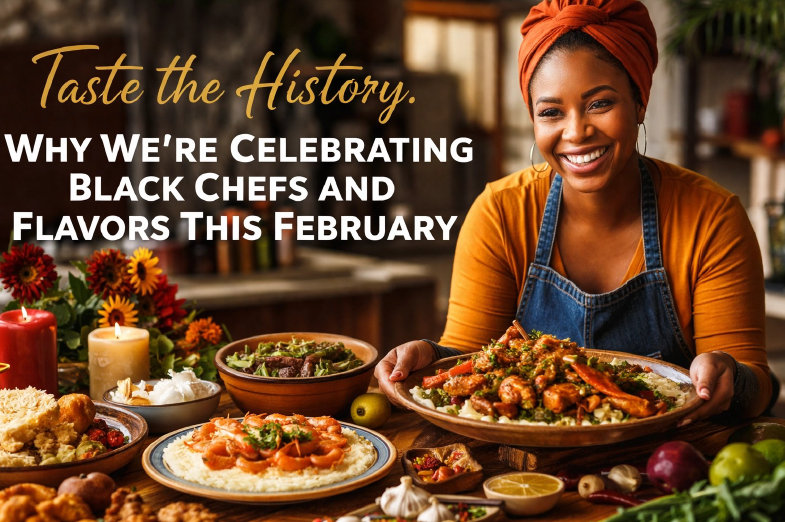
February is here – and for us at Plum Caterers, this month hits different. It’s Black History Month, and 2026 marks an incredible milestone: the 100th anniversary of formal Black History Month recognition. That’s a century of celebrating, honoring, and uplifting the contributions of Black Americans to every corner of our culture. And let’s be real – there’s no better way to celebrate heritage than through food.
Food tells stories. Food carries memories. Food connects us to our ancestors and to each other. And when we talk about American cuisine – the flavors, techniques, and soul that make our food so rich – we’re talking about the profound influence of Black chefs, cooks, and culinary innovators who have shaped the way we eat today.
So pull up a chair, Plumers. Let’s dig into this together.
A Century of Recognition – And Centuries of Flavor
Here’s something that might surprise you: the culinary contributions of Black Americans go back way further than most people realize. We’re talking about generations of creativity, resilience, and straight-up genius in the kitchen.
From the kitchens of colonial America to the food trucks rolling through your neighborhood today, Black chefs have been innovating, adapting, and creating dishes that have become staples of American cuisine. Fried chicken? Gumbo? Mac and cheese? Cornbread? These aren’t just comfort foods – they’re cultural touchstones with deep roots in Black culinary tradition.
And this February, communities across the country are coming together to honor that legacy. Events like the Union Township Black History Month Expo are bringing local food vendors together to share culinary delights alongside art and Black-owned businesses. Down in Wilton Manors, Florida, families are gathering for the Black History Month Cookout Celebration – free food, great entertainment, and good vibes all around.
Even educational programs like History in the Kitchen are diving deep into what different populations ate throughout American history – connecting food to social class, wealth, and access. It’s a powerful reminder that food has always been about more than just eating. It’s about identity. It’s about survival. It’s about celebration.
The Unsung Heroes of American Cuisine
Let’s talk about the chefs – the ones whose names you might know, and the countless others whose contributions went unrecognized for far too long.
Think about James Hemings, who was enslaved by Thomas Jefferson and trained in French cooking techniques. He brought mac and cheese to America. That dish you probably had last week? That’s his legacy.
Or consider Edna Lewis, the granddaughter of freed slaves, who became one of the most celebrated American chefs of the 20th century. Her cookbook, The Taste of Country Cooking, is still considered essential reading for anyone who wants to understand Southern food.
And today? Black chefs are everywhere – running award-winning restaurants, hosting cooking shows, writing bestselling cookbooks, and yes, catering events that bring communities together. From fine dining to food trucks, Black culinary professionals are continuing to push boundaries and redefine what American food can be.
This year, student-run programs like the Bergen Bistro Black History Month Celebration are honoring 100 years of preserving Black history through food and culinary arts. That’s the next generation keeping the flame alive – and honestly, it makes us so excited for what’s to come.
Soul Food: More Than Just a Meal
When people talk about Black cuisine, soul food is usually the first thing that comes to mind. And for good reason! Soul food is the heart and soul (pun intended) of Black American cooking.
But here’s the thing – soul food isn’t just about the recipes. It’s about the love, the community, and the history baked into every bite.
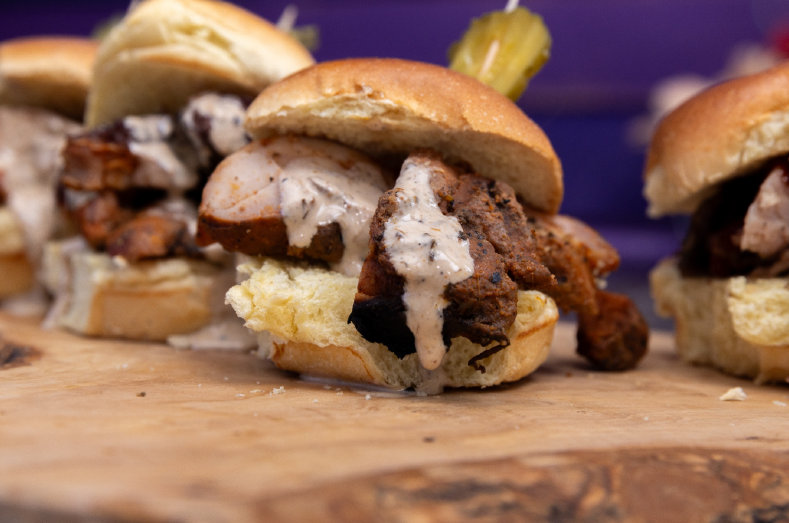
Soul food originated from necessity and creativity. Enslaved Africans had to make do with whatever ingredients they could access – often the less desirable cuts of meat and vegetables that plantation owners didn’t want. But from those humble beginnings came dishes that are now beloved across the world. Collard greens. Black-eyed peas. Candied yams. Smothered pork chops.
These dishes represent resilience. They represent making something beautiful out of difficult circumstances. And they represent the ingenuity and creativity that has always been at the heart of Black cooking.
At Plum Caterers, we believe in honoring these traditions while bringing our own twist to the table. Because that’s what good food is all about – respecting where it came from while making it your own.
How We’re Celebrating at Plum Caterers
For us, Black History Month isn’t just a February thing – it’s woven into who we are and what we do. But this month, we’re going extra hard to celebrate.
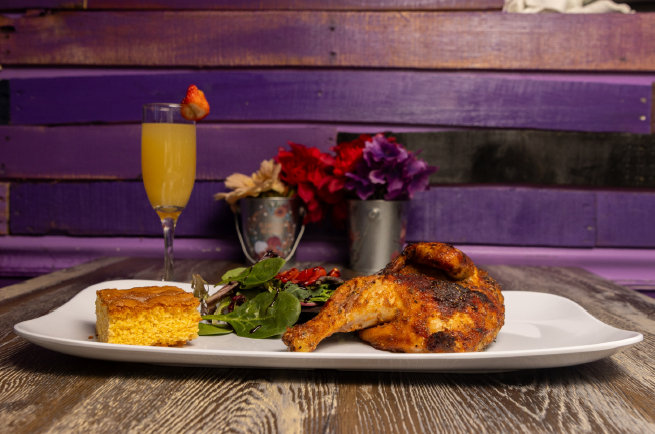
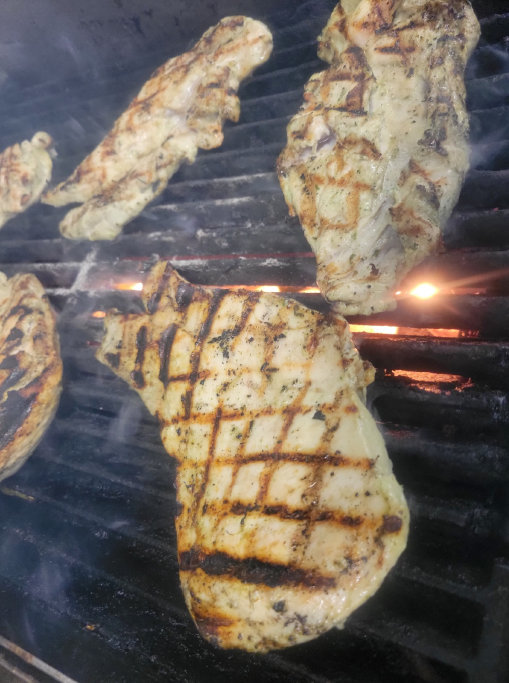
We’re featuring heritage-inspired dishes on our catering menu that pay homage to the flavors and techniques of Black culinary tradition. Think perfectly seasoned roasted chicken with crispy skin, fluffy cornbread that melts in your mouth, and sides that’ll have you going back for seconds (and thirds – we don’t judge).
We’re also encouraging our Plumer family to think about how they can incorporate these flavors into their own events. Planning a gathering this month? Why not make it a celebration of Black culinary heritage? Whether it’s a corporate lunch, a family reunion, or a community cookout, food is the perfect way to honor history while bringing people together.
And if you’re looking for inspiration, we’ve got you covered. Check out our events page or reach out to chat about how we can help make your celebration unforgettable.
Ways to Honor Black Culinary Heritage This Month
Want to get in on the celebration? Here are some ideas to make your February delicious and meaningful:
Support Black-owned restaurants and food businesses. Whether it’s grabbing takeout, ordering catering, or buying ingredients from a Black-owned supplier, your dollars make a difference.
Learn the history behind the food. Next time you’re enjoying a dish with roots in Black culinary tradition, take a minute to look up its origins. Understanding where our food comes from makes it taste even better.
Host a heritage dinner. Gather your friends and family for a meal featuring traditional Black American dishes. Make it a potluck so everyone can contribute and share their favorites.
Attend local events. Keep an eye out for Black History Month celebrations in your area. Events like the Annual Black History Month Luncheon in Washington, DC happening on February 28th bring communities together in powerful ways.
Share stories. Food is about connection. Talk to the elders in your life about their food memories. Pass down recipes. Keep those traditions alive.
Looking Ahead – With Gratitude and Excitement
As we celebrate this incredible milestone – 100 years of Black History Month recognition – we’re filled with gratitude. Gratitude for the chefs and cooks who came before us. Gratitude for the traditions that have been passed down through generations. And gratitude for you, our Plumer family, who celebrate with us.
But we’re also looking ahead. Because the story isn’t over. Black chefs are continuing to innovate, to create, and to inspire. New traditions are being born while old ones are being preserved. And we get to be part of that journey.
At Plum Caterers, feeding people is our love language. And this month, we’re pouring extra love into every dish we prepare. Because food is history. Food is culture. Food is celebration.
So here’s to the chefs who paved the way. Here’s to the flavors that tell our stories. And here’s to many more years of tasting – and making – history together.
Ready to plan your own celebration? Let’s talk. We can’t wait to cook for you.