
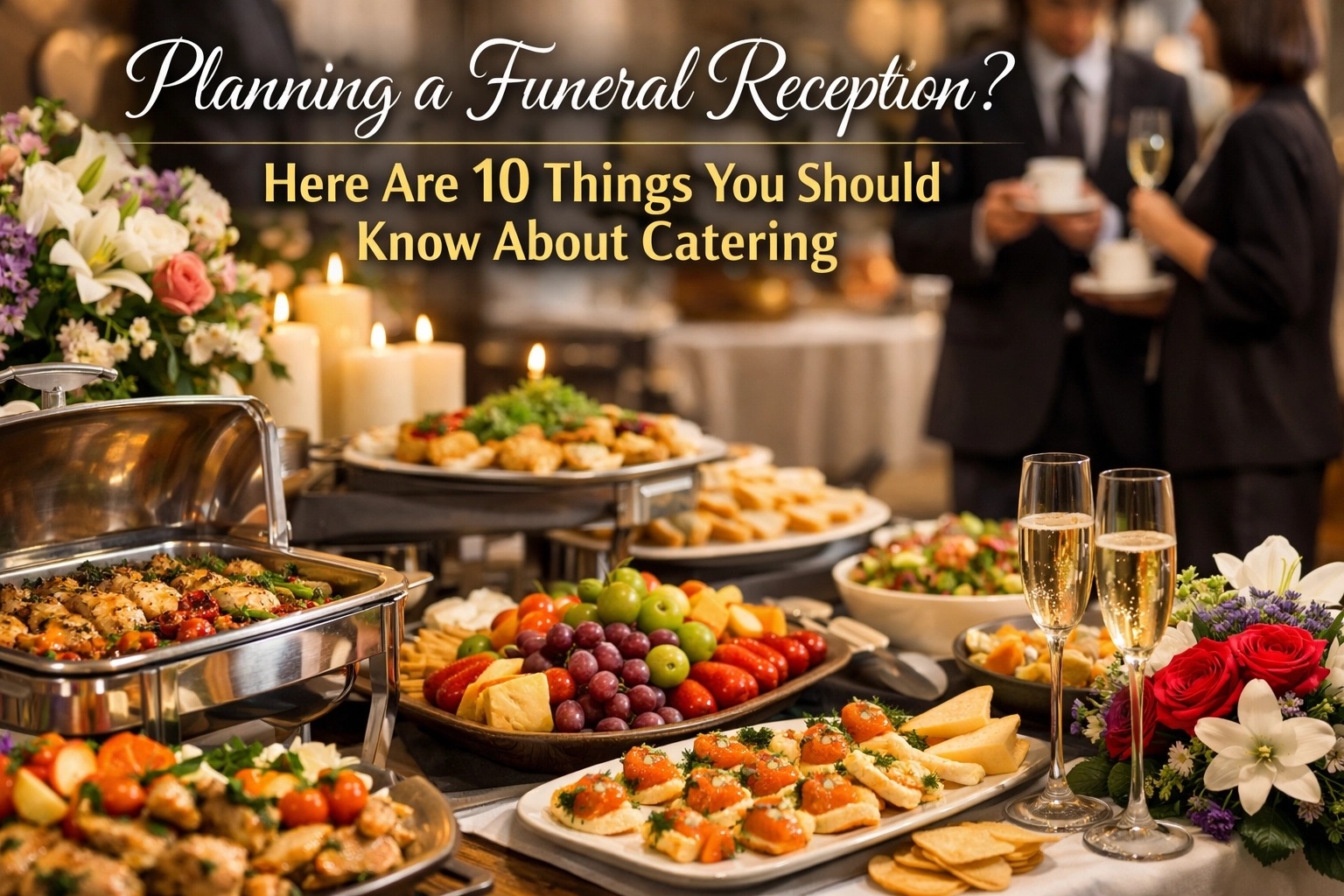
Listen – we know this isn’t the blog post anyone wants to need. But if you’re here reading this, you’re probably navigating one of life’s most difficult moments while trying to take care of the people you love. And that’s exactly what we’re here for.
Over the years, we’ve had the honor of serving families during their times of grief, and we’ve learned that good food – warm, comforting, familiar food – can bring people together in ways that words sometimes can’t. It creates space for stories to be shared, for tears to flow, and for community to wrap around those who are hurting.
So let’s talk about the practical stuff, because you’ve got enough on your mind already.
1. The Time of Day Changes Everything
Here’s something a lot of people don’t think about until they’re knee-deep in planning – when your service happens makes a huge difference in what you should serve.
Morning service? Think breakfast vibes. Coffee (lots of it), muffins, fruit platters, maybe some breakfast casseroles that can sit in a warming tray. People appreciate something light but nourishing when they’re gathering earlier in the day.
Afternoon or evening? That’s when you want to bring out the heartier stuff – pasta dishes, roasted meats, substantial sides that stick to the ribs. People have been there for hours, emotions are heavy, and they need real sustenance.
We always tell families: match the food to the clock, and you’ll never go wrong.

2. Guest Count Isn’t Just a Number – It’s Your Game Plan
The difference between feeding 30 people and 150 people isn’t just quantity – it’s your entire approach to service.
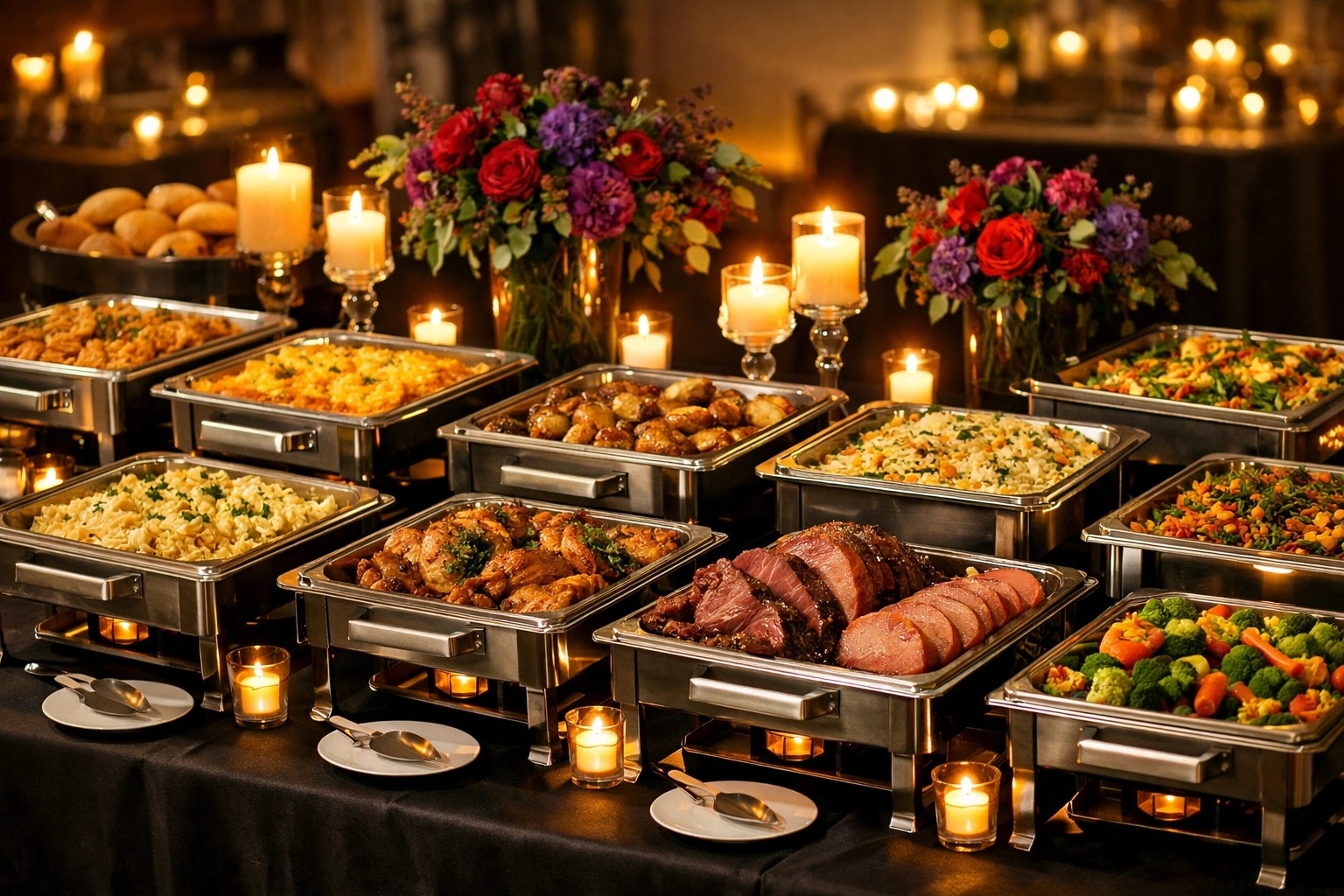
For smaller, more intimate gatherings, you might do family-style service where dishes are placed on tables and people pass them around. It feels personal and creates those moments of connection. For larger crowds, buffet-style is usually your best friend. It keeps things moving, gives people options, and honestly? It’s more budget-friendly too.
Don’t stress about getting an exact headcount (we know that’s nearly impossible during times like these). A good caterer – and yeah, we’d love to be yours – can work with estimates and build in some flexibility.
3. Comfort Food Is the Whole Point
This is not the time for fancy fusion cuisine or experimental flavor profiles. People need food that feels like a hug.
We’re talking about dishes that transport people back to their grandmother’s kitchen. Baked ziti. Roasted chicken. Creamy mashed potatoes. Mac and cheese that’s been made with love. Casseroles that have been showing up at gatherings for generations.
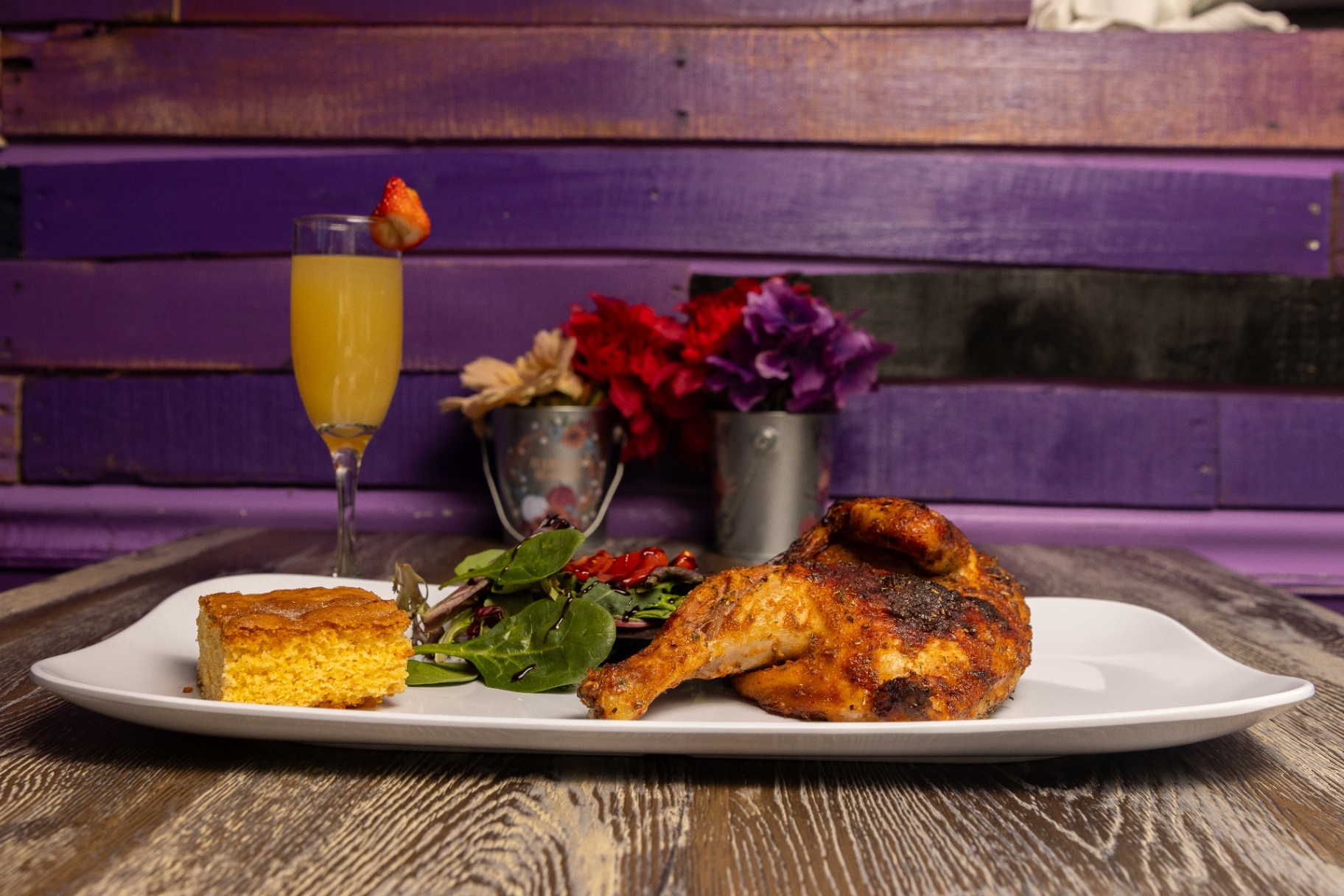
These are the dishes that don’t require a second thought – people know what they’re getting, and that familiarity is incredibly comforting when everything else feels uncertain.
4. Dietary Restrictions Still Matter (Maybe Even More)
Even during difficult times, people’s dietary needs don’t take a break. And the last thing you want is for someone to feel excluded or unable to eat because there aren’t options for them.
Always – and we mean always – include vegetarian options. Have at least one gluten-free choice. Ask about allergies. It’s not about being trendy or politically correct… it’s about making sure everyone at the table can participate in breaking bread together.
That’s what community is all about, right? Making sure everyone has a seat and a plate.
5. Service Style Sets the Whole Tone
Buffet and family-style service are the two most common setups for funeral receptions, and there’s good reason for that.
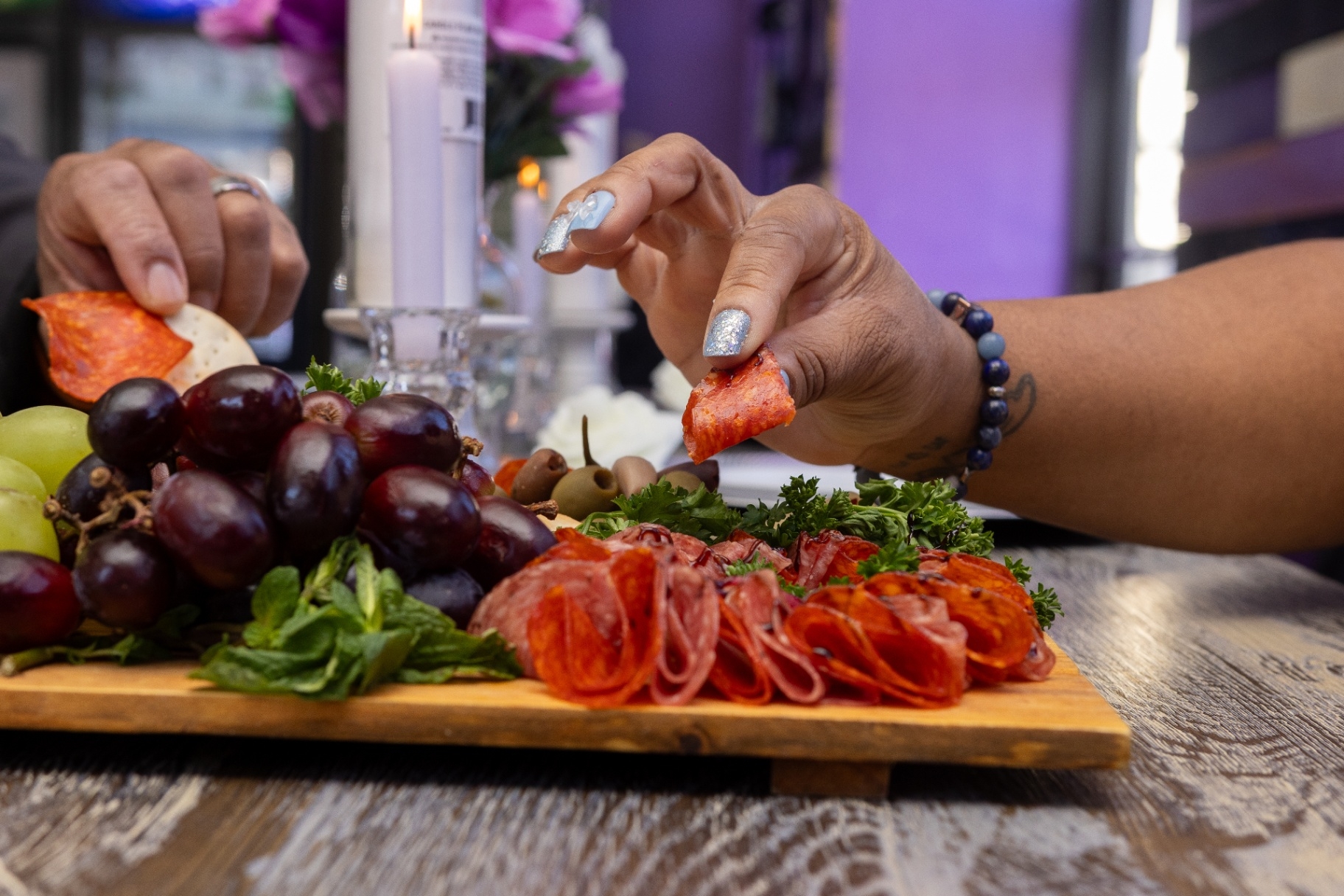
Buffet lets people take what they want, when they want it. Some folks have been crying all morning and can barely eat – they might just grab some fruit and crackers. Others haven’t eaten since yesterday and need a full plate. Buffet accommodates both without anyone feeling awkward.
Family-style creates intimacy. Passing dishes around a table naturally starts conversations. It slows things down in a good way. It feels less formal, more like Sunday dinner.
Finger foods and passed hors d’oeuvres work well if you’re expecting people to move around and mingle – like an open house reception where folks drop in at different times.
6. Let’s Talk Budget (Because It Matters)
Money conversations feel uncomfortable during grief, but here’s the truth – most families are balancing a lot of expenses during this time. Funeral costs add up fast, and the reception shouldn’t break the bank.
A good caterer will work with your budget, not against it. There are ways to serve delicious, comforting food without spending a fortune. Maybe you do a mix of professional catering for the main dishes and ask close family to contribute some homemade sides or desserts. Maybe you skip the fancy proteins and do a killer pasta bar instead.
We’ve seen beautiful receptions at all price points. The amount you spend doesn’t determine how loved and supported people feel.
7. Don’t Forget the Drinks (Seriously)
Beverages are easy to overlook when you’re planning everything else, but they’re crucial.
Coffee and tea are non-negotiables. Hot, fresh, and plenty of it. People need the caffeine and the warmth.
Beyond that? Lemonade, iced tea, infused water, maybe some sparkling water. Not everyone drinks alcohol, and honestly, keeping things non-alcoholic at a funeral reception is usually the move. It keeps the focus on community and remembrance rather than creating any potential uncomfortable situations.
8. Don’t Forget the Drinks (Seriously)
Listen, no one’s expecting a three-tiered cake situation here. Simple, sweet, comforting – that’s the vibe.
Cookies that people can grab as they’re leaving. Brownies that remind them of church potlucks. Maybe some fruit tarts if you want something a little lighter. Desserts serve a purpose beyond just being sweet – they give people something to do with their hands during awkward pauses in conversation, and they provide a gentle way to signal the gathering is winding down.
Keep it simple, keep it familiar, and people will appreciate it.
9. Don’t Forget the Drinks (Seriously)
Here’s where you can really honor the person you’ve lost – through the food itself.
Did they make the best peach cobbler in three counties? Serve that. Did they have a favorite restaurant dish? See if your caterer can recreate it. Were they known for always having butterscotch candies in their purse? Put some bowls of them around the room.
These little touches – incorporating cultural dishes, family recipes, personal favorites – transform a reception from just another catered event into a genuine celebration of a life. And that’s what it should be, right? Even through tears, we’re celebrating someone we loved.
10. Keep It Simple and Accept Help
Here’s the most important thing we can tell you: this doesn’t have to be perfect. It doesn’t have to be Pinterest-worthy. It doesn’t have to impress anyone.
The people gathering aren’t showing up to judge your menu choices or critique your table settings. They’re coming to support you, to share their grief, and to remember someone they cared about. The food is there to nourish bodies and create space for connection – nothing more, nothing less.
And please, please accept help when it’s offered. If your cousin wants to bring her famous potato salad, let her. If your church offers to set up and clean up, say yes. If a friend asks how they can help, tell them you need someone to coordinate with the caterer on the day-of so you can focus on being present.
This is not the time to be a hero. Let your community be your community
Look, we know this is heavy stuff. We know planning a funeral reception while you’re grieving feels impossible. But we also know that gathering people together over a meal – even a difficult meal – matters.
If you’re in the middle of planning right now and feeling overwhelmed, we’re here. Not just as caterers, but as people who care about our community and want to support you through this. Give us a call, shoot us an email, or swing by and talk to us. We’ll figure it out together.
Because that’s what family does – and around here at Plum Caterers, that’s exactly how we see you. As family.